Soil – ดิน
Soil functions more than just placeholder for plant’s roots as typically considered in hydroponic agriculture; it is home to numerous species; of which are in symbiotic relationship, in many cases beneficiary to plants. These species communicate with one another via signaling, cues, and sound. Plants adopt signaling and cues methods involving various fully functional biosynthesis pathways from different organs to make, send, and receive volatile organic compounds (VOCs, the original source of essential oils as we use it in our industries). For example, a healthy Hordeum vulgare or barley send VOCs cues and signals to other plants; warning of incoming insect attacks and send high concentration of (E)-nerolidol and (3E,7E)-4,8,12-trimethyl-1,3,7,11-tridecatetraene to Myzus persicae to ward it off.

ดินทำหน้าที่มากกว่าการเป็นที่ยึดเกาะของรากพืช แต่เป็นบ้านของสิ่งมีชีวิตหลากหลายสายพันธ์ุ ซึ่งนวนมาก มีความสัมพันธ์แบบพึ่งพาอาศัยกันกับพืช ในแบบที่พืชได้ประโยชน์ (มุมมองนี้ ต่างไปจากศาสตร์ของไฮโดรโปนิค) สิ่งมีชีวิตเหล่านี้ มีกลวิธีการสื่อสารกันที่หลากหลาย เช่น การส่งสัญญาณ หรือสารบ่งชี้ การสื่อสารด้วยเสียง พืชใช้กลวิธีสื่อสารด้วยสัญญาณและสารบ่งชี้ชีวเคมี ในรูปแบบของสารระเหย (ที่มาของนำ้มันหอมระเหยจากพืช ที่ใช้ในอุตสาหกรรมทั่วไป) ยกตัวอย่างเช่น ข้าวบาร์เล่ย์ส่งสารระเหยชีวเคมีเตือนพืชต้นอื่น ๆ ในบริเวณใกล้เคียง ว่าจะมีแมลงศัตรูพืชเข้าโจมตี และส่งสาร (E)-nerolidol and (3E,7E)-4,8,12-trimethyl-1,3,7,11-tridecatetraene ไปยังเพลี้ยอ่อน เพื่อล่อลวงแมลงไปทางอื่น
VOCs can also mediate communication between plant and beneficiary microorganisms for mutual benefits; such as rhizobia fixing nitrogen for host plants, and mycorrhizas exchanging plant’s sugar with various elements absorption and anti-microbial attacks. There are thousands of VOCs known to scientific community and more as a work in progress.
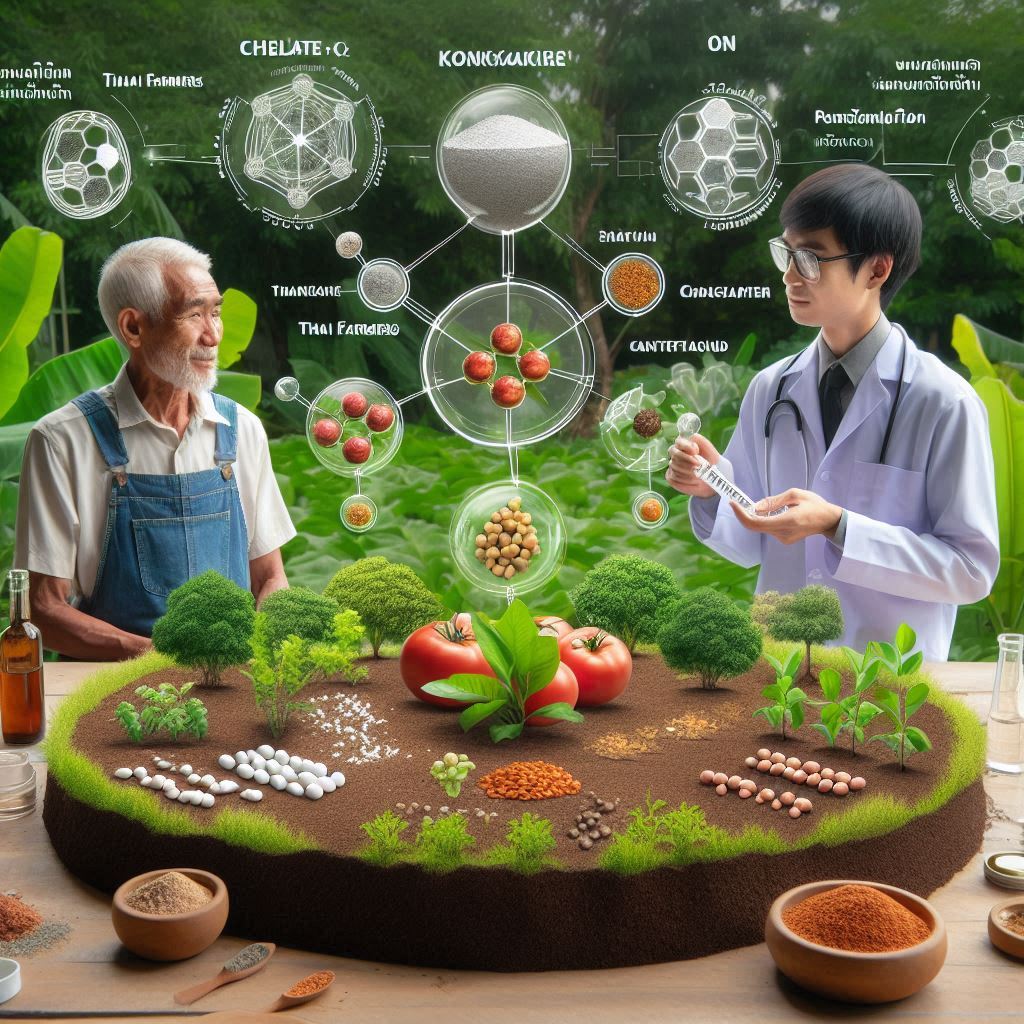
Soil fertility refers to ability of soil in functioning ecosystem to sustain healthy plant growth. Plan cells comprise of more than we usually provide through modern chemical fertilizers; carbon, hydrogen, oxygen, and nitrogen, and they are abundantly supplied in chelate or ion form in harmonious ecosystem. Kongkarn’s farming methodology is a reflection of such meticulous wonder work of Gaia.
Similar to how plants in deep lush forestry look and feel to human’s touch, we aim to replicate that for agricultural yields from our farm.
นอกจากนี้สารระเหย ยังทำหน้าที่เป็นตัวกลาง ในการสื่อสารระหว่างพืชกับจุลินทรีย์ที่เป็นประโยชน์ต่อพืช (ไรโซเบียม เชื้อราไมคอร์ไรซาร์ ลฯล) เช่น ไรโซเบียม ที่ช่วยในการตรึงธาตุไนโตรเจนในรูปแบบที่พืชนำไปใช้ได้ หรือ กลุ่มเชื้อราไมคอร์ไรซาร์ที่รับธาตุอาหารจากพืช ในรูปแบบของนำ้ตาล เพื่อแลกเปลี่ยนกับแร่ธาตุจำเป็นต่าง ๆ ใหักับพืช และช่วยพืชต่อต้านการรุกรานจากจุลินทรีย์ปฏิปักษ์ ในปัจจุบัน วงการวิทยาศาสตร์รู้จักสารระเหยจากพืชหลายพันชนิด แต่การวิจัยก็ยังไม่หยุดแค่นั้น มนุษย์เราค้นพบสารตัวใหม่อยู่เรื่อย ๆ
ความอุดมสมบูรณ์ของพื้นดิน จึงสื่อความถึงศักยภาพของดิน ในระบบนิเวศน์ที่ทำงานได้อย่างสมบูรณ์ เพื่อส่งเสริมการเจริญเติบโตของพืชและสุขภาพของพืชที่แข็งแรง เซลล์พืชต้องการธาตุอาหารมากกว่าที่เราให้กันผ่านระบบปุ๋ยทั่วไป อย่าง คาร์บอน ไฮโดรเจน ออกซิเจน และไนโตรเจน ธาตุอาหารอื่น ๆ เหล่านี้ มีอยู่อย่างเต็มเปี่ยม ในรูปแบบที่พืชใช้งานได้ อย่างเคเลต และไอออน ในระบบนิเวศน์ที่สมดุล และนี่เอง คือวิธีการเกษตรของเรา ที่แปลงเกษตรก่องกานท์
พวกเรามุ่งเป้าที่จะนำรูปทรง สี และสัมผัสของพืชในป่าใหญ่ที่อุดมสมบูรณ์ มาอยู่ในผลผลิตจากแปลงเกษตรของเรา
ศึกษาข้อมูลเพิ่มเติม
Fertilizer – ปุ๋ย
Chelate and ion are core nutrient formation for plants. All modern scientific research and commercialized fertilizer products are but replication of natural wonders. Why look elsewhere, when nature already provides in abundance.
Here at Kongkarn Farm, we mix in modern knowledge with ancient wisdom to substitute for soil nutrients needed for economical yields required by modern industries.
พืชใช้สารอาหารในรูปแบบโครงสร้างคีเลตและไอออน และนวัตกรรมปุ๋ยในยุคสมัยใหม่ทั้งหมด ล้วนผลิตมาเพื่อตอบสนองความต้องการของพืช ดังนั้น ทำไมเราจึงต้องไปหาสารอาหารพืชจากแหล่งอื่น เมื่อธรรมชาติมีให้เราเหลือหลาย
พวกเรา ณ แปลงเกษตรก่องกานท์ฟาร์ม ได้ผสมผสานวิทยาการในยุคสมัยใหม่เข้ากับองค์ความรู้ที่ถ่ายทอดมาจากยุคโบราณ เพื่อตอบสนองต่อความต้องการธาตุอาหารในดินที่เพิ่มขึ้น จากรูปแบบการเกษตรแบบอุตสาหกรรมในยุคสมัยใหม่
Taste & Sense – รสสัมผัส
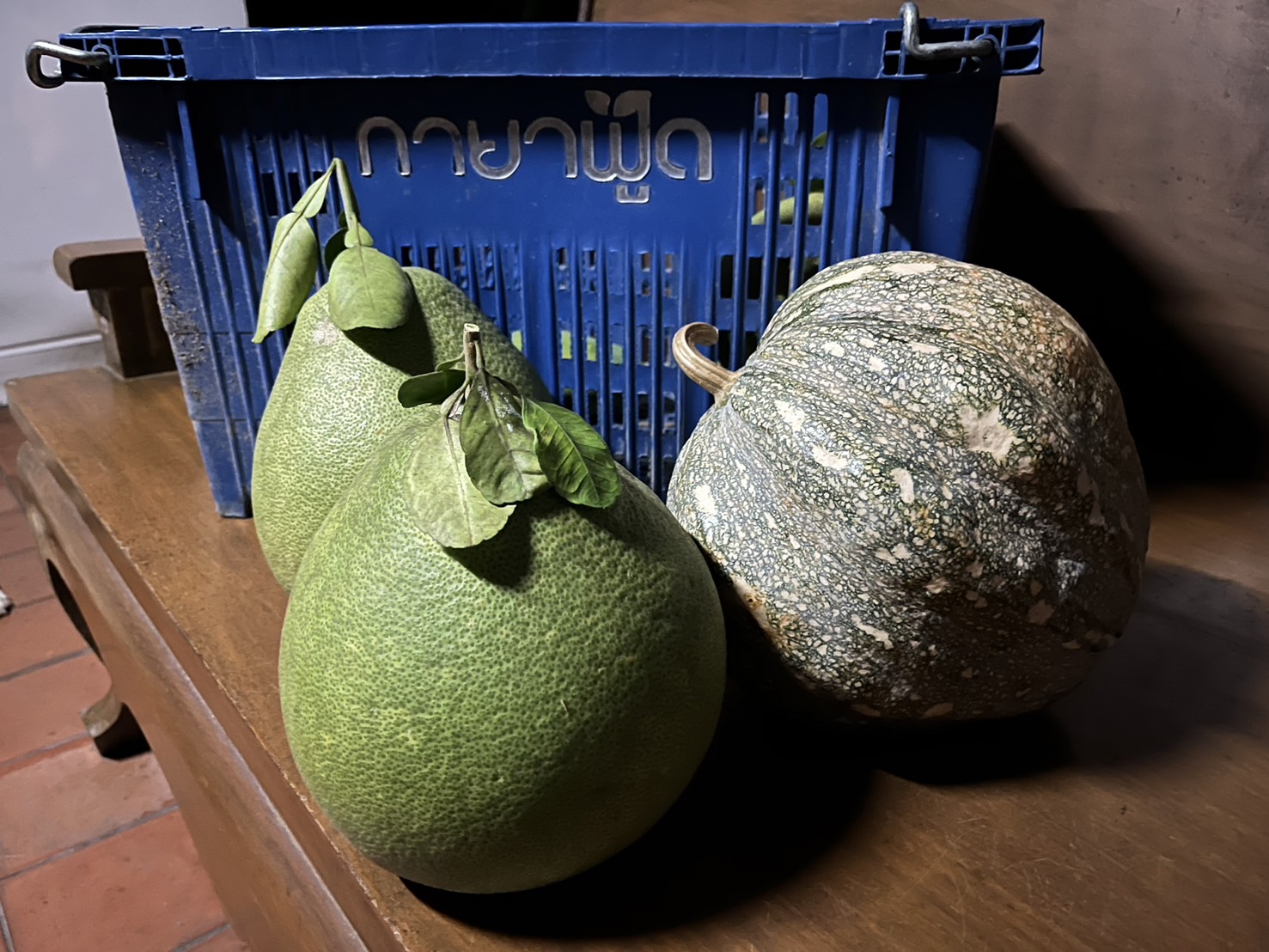
In the old days, folks from rural farm might be familiar with natural shinning wax on vegetable leaves or fruits that just need to wash the dirt off in clean water before taking a bite, feeling natural crispiness or soften sensation to the tongue; the sweet or bitterness, and olfactory sense. Such differences to most industrial contemporary yields
ผู้คนจากแปลงเกษตรในยุคเก่าน่าจะยังพอคุ้นเคยกับผักผลไม้ที่เงางามโดยธรรมชาติ เพียงแค่ล้างดิน ก็สามารถรับประทานได้ รับรู้ถึงรสสัมผัสของความกรอบและความนุ่ม ความหวานและความขม กลิ่นอันหอมหรือเหม็นโดยธรรมชาติ สัมผัสที่ต่างกันกับผักอุตสาหกรรมส่วนใหญ่ ในยุคปัจจุบัน
Aromatic – มีกลิ่นหอม
Naturally vibrant-intense vegetable yields more aroma on our sniff as they’re volatile oils utilized by healthy vegetables for various tasks.
ผักผลไม้ที่มีสีสันสดใสหรือเข้มข้นโดยธรรมชาติจะมีกลิ่นที่เข้มกว่าปรกติเมื่อสูดดม เนื่องจากสีและกลิ่นนี้ เป็นสารชีวเคมี ซึ่งสร้างมาจากพืชที่สมบูรณ์พร้อม
Longevity – เก็บรักษานานขึ้น
Holistic ecosystem enrichment leads to enhanced structural integrity and heighten adaptability in plants resulting in longer shelf-lives. The best results from us is 1-month vegetable storage in air-tight stainless box with newspaper kept inside refrigerator. Usual keeping period in plastic tableware is 2 weeks.
ระบบนิเวศน์ที่อุดมสมบูรณ์พร้อมยังผลให้พืชมีโครงสร้างที่แข็งแรง และปรับตัวได้อย่างว่องไว ลักษณะเช่นนี้เองที่ทำให้อายุการเก็บรักษา หลังเก็บเกี่ยวผลผลิต อยู่ได้นานขึ้น จากประสบการณ์ของเรา ผักผลไม้ของเราสามารถเก็บได้นานถึง 1 เดือน ในกล่องสเตนเลสปิดสนิท และหุ้มหนังสือพิมพ์ ระยะเวลาการเก็บในกล่องพลาสติกทั่วไป คือ 2 สัปดาห์
White Paper on Plant’s Health
Discover a world of possibilities
Welcome to a world of limitless possibilities, where the journey is as exhilarating as the destination, and where every moment is an opportunity to make your mark on the canvas of existence. The only limit is the extent of your imagination.
 Kongkarn