From Desert to Paradise
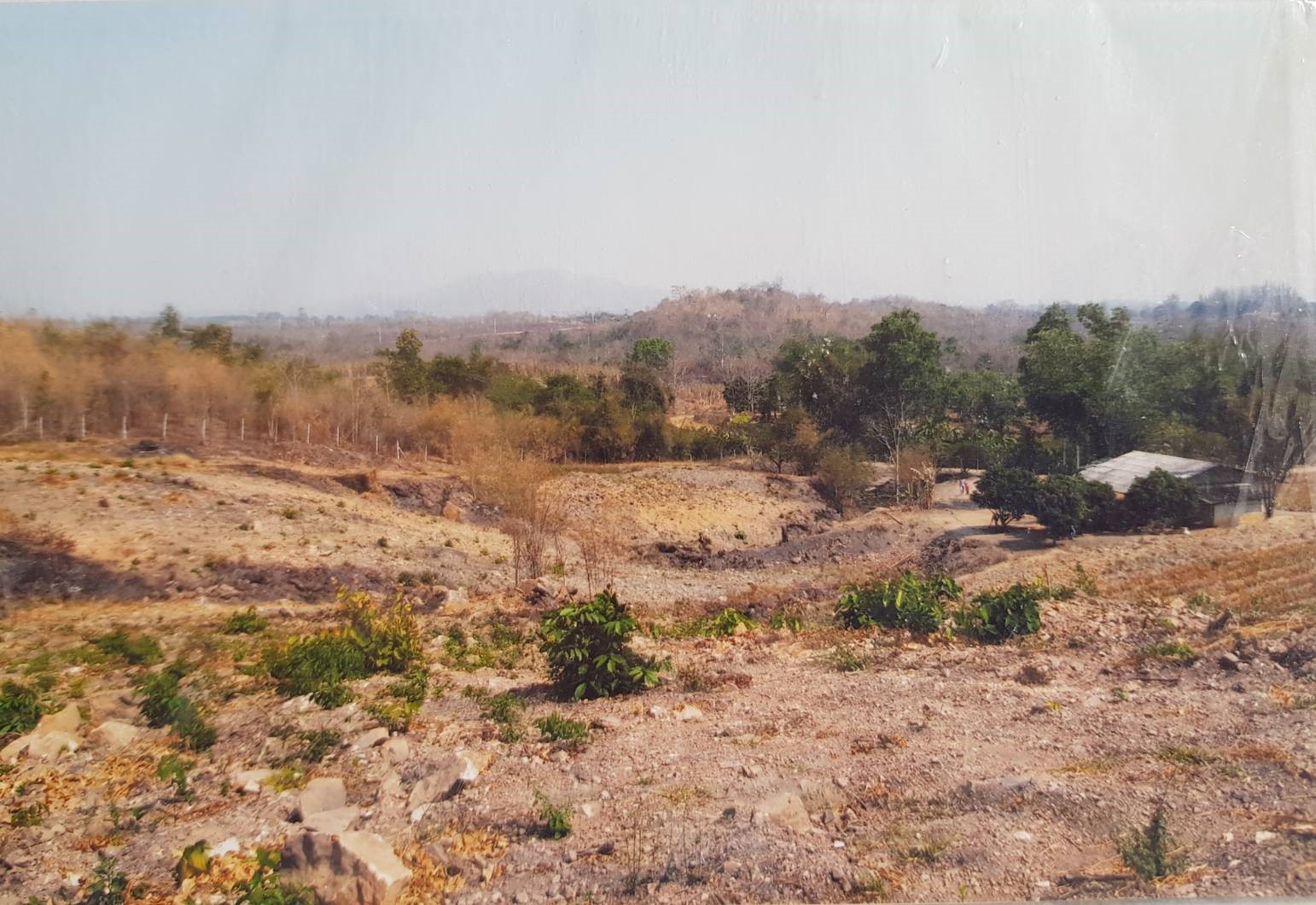
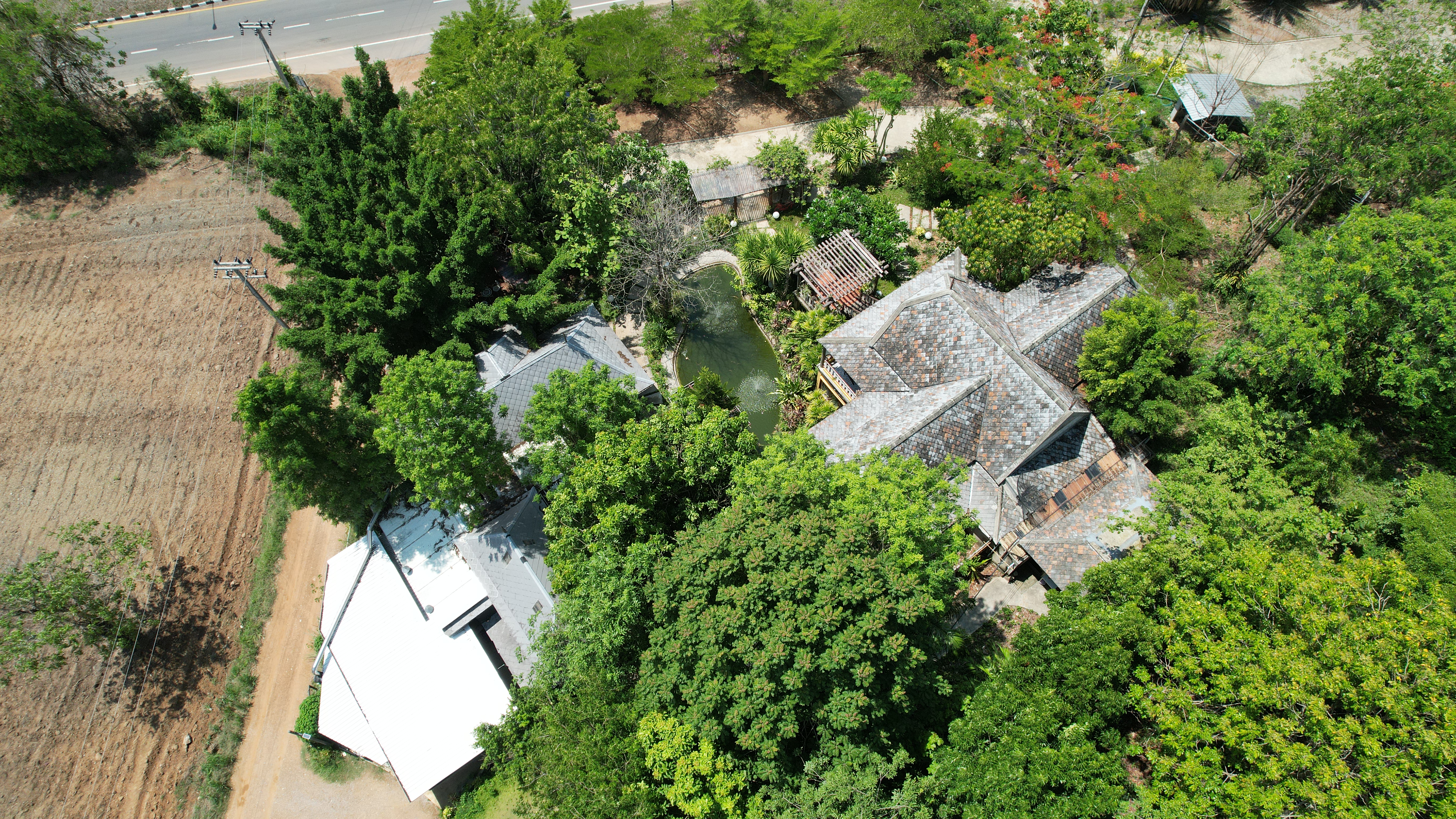
Sun-baked red earth, barren pineapple field, relentless heat under a usually cloudless sky that’s how Kongkarn Café, a haven of green tourism began. This is its story.
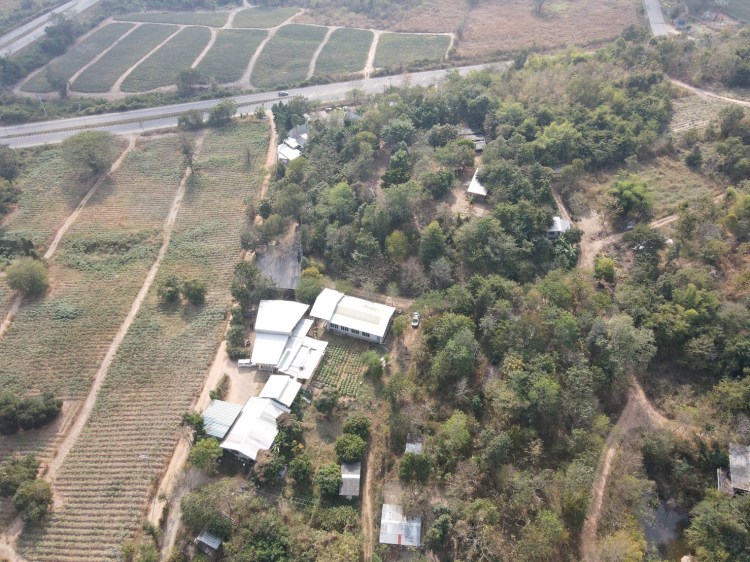
Prior to 2008, this very same patch of land is a pineapple field, a complete contrast to this scenery.
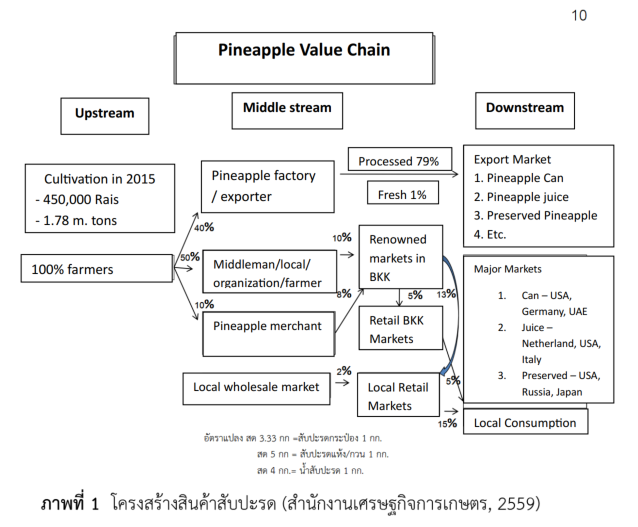
Situated in the heart of Western Thailand, the stretch of land from Kanchanaburi to the fringes of Prachuap Khiri Khan has long been renowned among local agriculture specialists and entrepreneurs as prime pineapple country. This means dry red sandy rocky soil – a tough ground that only provides for the barest of necessities. Between 2021 – 2024, at least 42% of overall pineapple in Thailand originated from these provinces (สำนักงานเศรษฐกิจและสังคม, 2024). Roughly 20% of the produce is for local consumption, with the rest exported through various channels. In the Yanghak, Ratchaburi area, local farmers can be found flogging their pineapples for a mere 5-7 Baht per kilo (about £0.16) to middlemen, who then take the collected produce to nearby factories. The average farmer can cultivate 4-8 tonnes of pineapple per Rai, earning around 20,000–40,000 Baht, or £500–£1,000, per Rai per six-month crop. These fruit plants need replanting every few years, and local farmers generally lack the means to upcycle the product themselves. As a result, the meagre income of these seasoned pineapple cultivators is solely dependent on selling at scale.
Pineapple farmers rarely spend time in their fields, except for when they’re spraying fertiliser or harvesting. The temperature is scorching all year round. Under the blazing sun, they have to wear high-quality wellington boots to walk through the spiky pineapple plants on the barren ground.
According to official government figures, the nearest commercial-grade well to Kongkarn is 200 metres deep. Most local users, however, only dig to a depth of 80–120 metres, while the average commercial-grade well in the more fertile parts of Ratchaburi province is between 30 and 70 metres deep (กรมทรัพยากรน้ำบาดาล, 2025).
“These lands are not worth anything, why did he buy it” Whispered a season mango farmer, a colleague to a colleague of farm owner who visit the land as per invitation to investigate its potential.
Somsak Prapasapong is the visionary behind Kongkarn Café and its organic farm, “Gaia Food,”. Graduated from Sanitary Engineering department; his first real experience of rural Thailand came from involvement with the Appropriate Technology Association (ATA) (สมาคมเทคโนโลยีที่เหมาะสม), a non-profit organisation founded by the highly respected Proff. Charnchai Limpiyakorn (อาจารย์ชาญชัย ลิ้มปิยกรณ์) and Proff. Kohtom Ariya (ดร.โคทม อารียา), The ATA’s primary focus was on developing rural Thai communities until it closed around 2010, and it was through this work that he developed a deep connection to rural life.
Rural Thailand is a harsh yet distinctive place. It’s a society that has strayed from the typical metropolitan capitalism so familiar around the world, preserving its regional cultural heritage, diverse flora, food, and traditional herbal remedies. This is largely the result of various anti-communist policies enacted after WWII, which have led to a unique way of life across the North, Northeast, and Southern Thailand.
“Rural” means “Outskirt” in traditional Thai society; it’s a place where state’s influence is restricted by boundary of “town” and “city”, with water canals serving as the main mode of transport. This remained true until the 1900s, when the local population, who had lived on mixed cultivation, gradually moved towards a modern life of fiat currency and city living.
Despite this, economic progress in the capital doesn’t always spread to rural communities, and it’s in this context that Kongkarn Café is established; a forgotten pineapple field on the outskirt of city life. Gone were the days of plural cultivations and bartered trade, replaced by mass chemical-based agricultural produced. Traditional plantation techniques were rediscovered and incorporated into modern innovations.
Without a connection to the local Water Authority, Kongkarn Café is completely self-sufficient, relying on a number of cleverly designed reservoirs and a filtration system. Waste is also managed internally; any leftover food is usually taken to furrows to be used as fertiliser, while plastic waste is incinerated in a high-temperature burner.
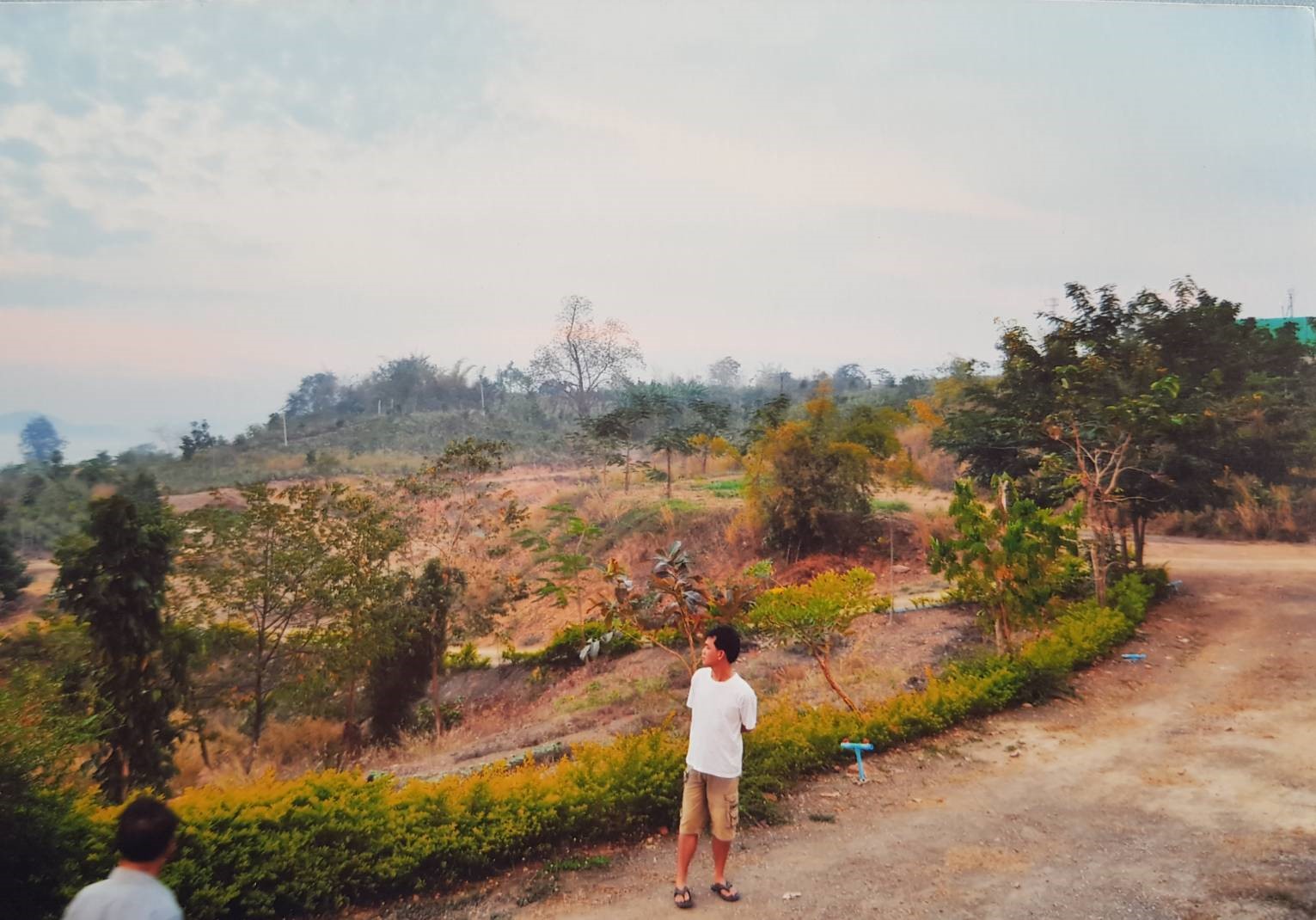
To transform the barren red pineapple field into a lush greenery, a huge amount of water was needed—something that wasn’t available to the entire area, as there was no local pipeline. The first step was to plant drought-tolerant plants and bananas and wait for more rain and moisture. Years passed, the number of trees grew, and the temperature began to cool. The reservoirs filled up, allowing different varieties of plants to be planted. Various types of fertiliser were trialed, eventually leading to the use of chelate promoters, which are abundant in nature, and strictly banned any chemical pesticide, thus begins the journey to Organic Certification.
With appropriate preparation, natural rejuvenation can turn any desert into lush greenery, cool & breeze as proven in Kongkarn Café. It can also provides for human needs through permaculture methods. The natural fortification of plants boosts their nutritional flow, allowing them to create organic volatiles as a means of communication throughout the ecosystem. This creates a holistic, preemptive, and reactive insect defence mechanisms, both within the plants themselves and in their surroundings, across different strains and distances.
But it cannot provide for sustained need of market-based economy where artificial factors dictate terms of production. This is divergence between Kongkarn Café’s delicate care for plants and farm production.
Kongkarn Café | Farm | Bed focuses on sustaining harmonious balance over natural ambience for visitors’ mesmerizing experience while also benefiting nature itself. Meanwhile Kongkarn Farm focuses on the efficient use of resource, marketing, and managing manpower. With your continued support, we hope to create a greener, more sustainable economy for benefit of mankind.
 Kongkarn