
การรับประทานอาหารให้มีสุขภาพดี ไม่ใช่การอดอาหาร การงดของโปรด แต่เป็นการรับประทานอาหารให้ได้สารอาหารครบถ้วนตามโภชนาการทั้งคาร์โบไฮเดรต โปรตีน ไขมัน เกลือแร่ เส้นใย นอกจากนี้ ยังเป็นการรับประทานในปริมาณที่เหมาะสมกับร่างกาย รู้จักควบคุมตนเอง ทานผักผลไม้มากขึ้น ลดการรับประทานของแปรรูปหลายขั้นตอน
Author Archives: Kongkarn Bed & Breakfast
เรารับรู้รสอย่างไร
มนุษย์เรารับรู้รสชาติอาหาร ผ่านการทำงานที่เกิดขึ้นพร้อม ๆ กัน ของต่อม ต่าง ๆ บนลิ้น และในโพรงจมูก เพื่อสร้างประสบการณ์ ที่เสมือนหนึ่งเกิดบนลิ้น
กรดอะมิโนในอาหารมังสวิรัติ: ข้อมูลที่ควรรู้
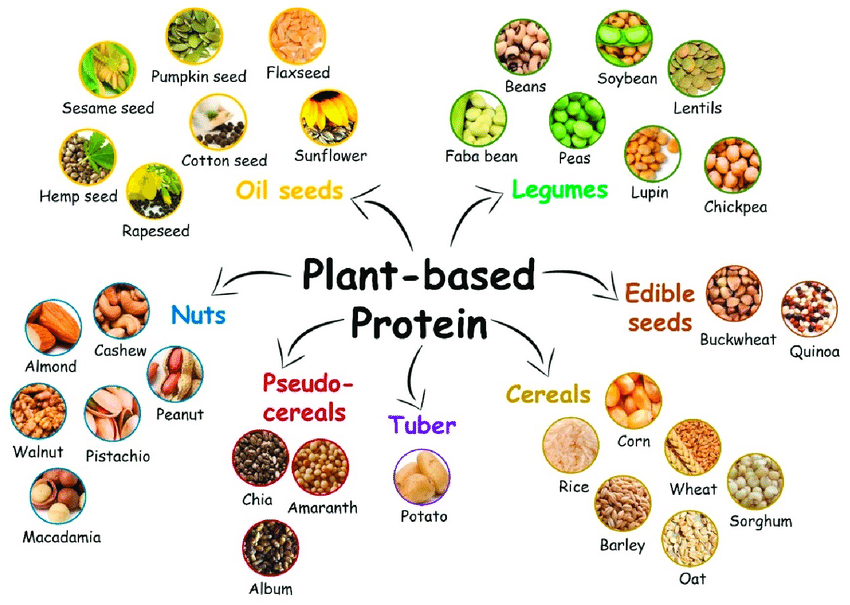
บทความนี้กล่าวถึงความเข้าใจผิดเกี่ยวกับโปรตีนพืชที่ยืนยันว่าไม่ครบถ้วนตามคำแนะนำจากสมาคมโรคหัวใจสหรัฐฯ (AHA) เน้นว่าอาหารจากพืชสามารถให้สารอาหารที่จำเป็นได้ เป็นการเสริมสร้างความเชื่อมั่นในการรับประทานอาหารมังสวิรัติ ซึ่งสามารถตอบสนองความต้องการกรดอะมิโนได้อย่างเพียงพอเมื่อรับประทานอย่างหลากหลาย.
โครงสร้างและฟังก์ชันของสารระเหยในพืช
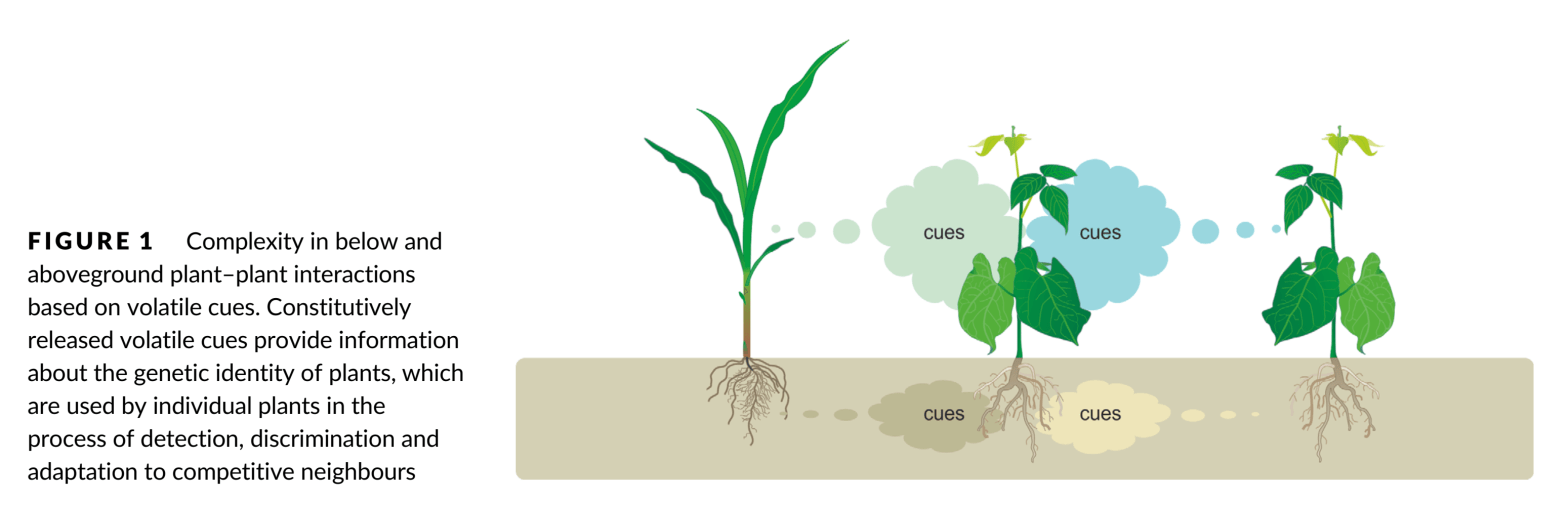
Plants use volatile organic compounds to communicate and interact with their environment. These compounds serve as cues and signals, influencing various biological and ecological factors. Plants can respond to these signals by adjusting their growth and defense mechanisms, demonstrating their sophisticated communication and adaptation abilities.
สสารฮิวมิคส่งผลให้ธาตุเหล็กทำหน้าที่เป็นคีเลเตอร์ และสารกระตุ้นชีวภาพ ให้กับพืช

A translated journal on plant and chelate
เทคโนโลยีเกษตร: เพิ่มผลผลิตด้วยกระแสไฟฟ้า
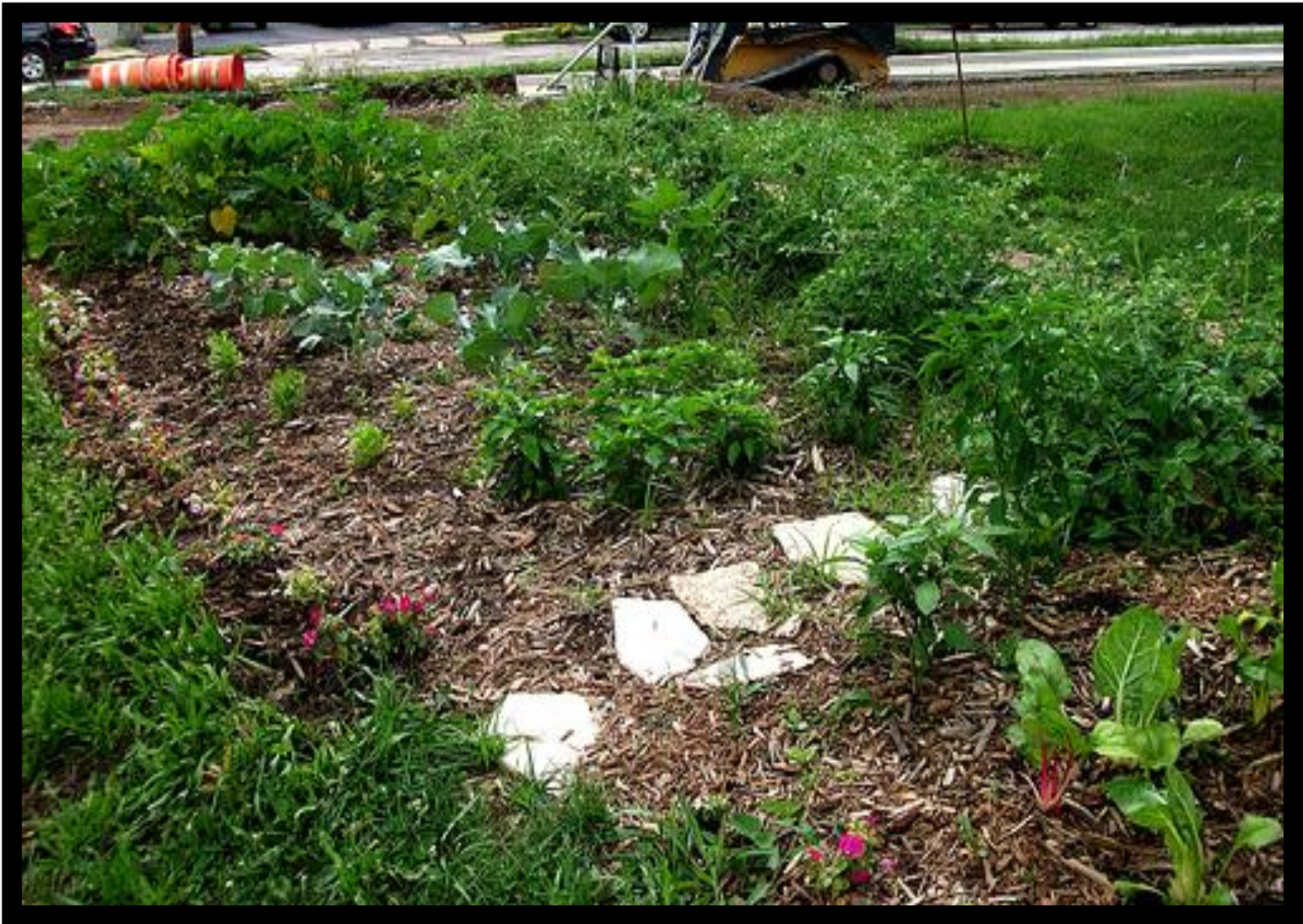
The research project explores the use of electricity and magnetic energy to enhance agricultural crop growth. The study aims to increase agricultural productivity and quality while reducing costs. Additionally, the project seeks to address global food shortages and the impacts of population growth. The experimental setup involves a 25ft x 14ft vegetable plot with continuous electricity supply, resulting in accelerated plant growth near the electrical lines.
ความคล้ายคลึงระหว่างเซลล์พืชและมนุษย์
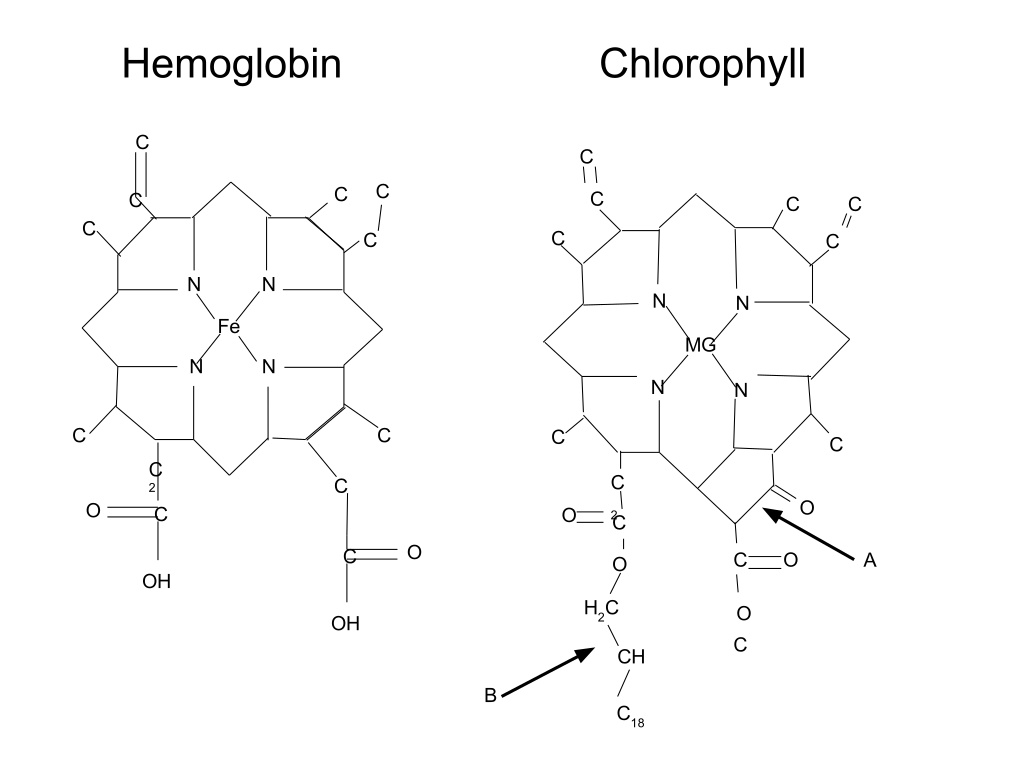
Plants and humans share many chemical elements, including carbon, hydrogen, and oxygen. However, their arrangement and needs for mineral elements vary. Plant cells have a cell wall, chlorophyll for energy from sunlight, and DNA and proteins for genetic functions, similar to animal cells.
 Kongkarn